
UKCP Psychotherapist · Therapeutic Coach
Strengths-based, neuroaffirming therapy for autistic and AuDHD adults. One UKCP-registered clinician who works with your profile, not against it.
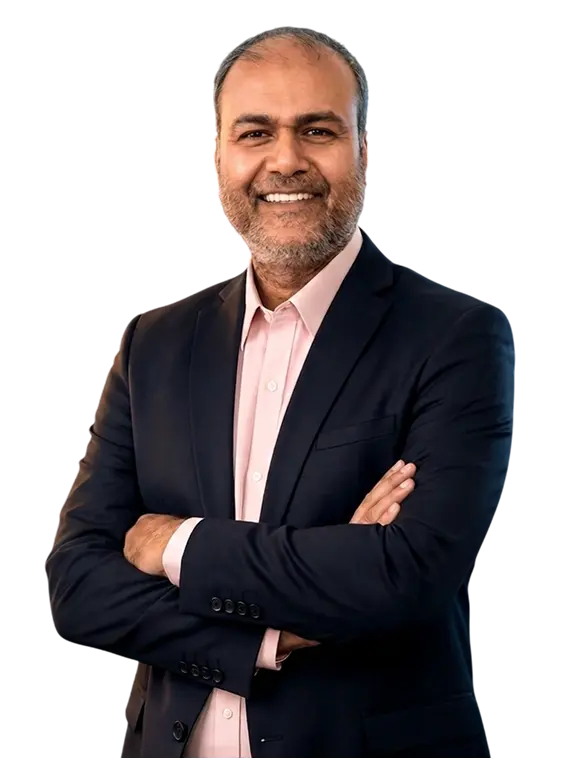
Years of experience




Autism is not one thing. It is a spectrum, a different way of processing information, of communicating and of relating to the world around you. If you are autistic, or think you might be, some of this may sound familiar.
You read the room so carefully that by the end of the day there is nothing left of you. The mask comes off at the front door and you are wrung out.
Sound, light, texture and crowds cost you more than you can explain. What others call minor, your nervous system files as a lot.
You prefer clear, direct words. Sarcasm, hints and shifting plans take extra effort, and change you did not choose can throw the whole day.
Your deep interests are where you come alive, and the routines that steady you are not a problem to be fixed. They are how you stay well.
Therapy here starts from the view that these are differences, not defects. The work is not about making you look less autistic. It is about a life that costs you less to live. For a wider overview of autism traits and diagnosis, see our autism and neurodiversity guide, or explore neuroinclusive coaching if you mainly want practical routines and executive-function support.
Client examples are anonymised or composite.
Neuroaffirming autism support has become a crowded space, and not all of it is regulated or clinically trained. Here is what working with a UKCP-registered psychotherapist actually changes.
| What matters | Generic or unregulated support | This practice |
|---|---|---|
| Accountability | No shared standard, and often no route if something goes wrong. | UKCP-registered and accountable to a professional body. Reg. No. 2011164676. |
| Stance on autism | Often aims to reduce or normalise autistic traits. | Neuroaffirming. The goal is never to make you mask better. |
| Who you see | Rotating staff, associates or a matched stranger. | One named clinician, from the first call to the last session. |
| Depth of training | General wellbeing tips and signposting. | 20+ years of clinical work, trained at the Tavistock and in the NHS. |
| Alongside other care | Rarely joins up with your existing team. | Coordinates with your GP, NHS or psychiatrist, with your consent. |
| AuDHD and co-occurring | Treated as separate, or missed altogether. | Autism, ADHD and any anxiety or low mood are held together, not in silos. |
Autism, sometimes called autism spectrum condition (ASC), shows up differently across a lifetime, from early differences in communication, social interaction and play in childhood, to the subtler, well-masked picture many adults only recognise later. We work with the parts of that picture that are making daily life harder than it needs to be.
Making sense of an autism diagnosis in adulthood: the relief, the grief, and re-reading a whole life in a new light. A formal diagnosis can bring clarity and open doors to support and workplace adjustments.
Years of masking to fit in come at a cost: exhaustion, shutdowns and a loss of who you are underneath. We build a way of living that asks less performance of you and protects your energy.
Sound, light, texture and busy places can overwhelm a nervous system that is wired to notice more. We work on regulation, sensory boundaries and environments that let you settle rather than brace.
A preference for direct, clear language is not a flaw. We work on reading and being read, on friendships, dating and work relationships, without pretending you find small talk effortless.
Many autistic adults are also ADHD, with a mind that craves routine and novelty at once. We hold both together rather than treating them as separate problems. See also ADHD therapy.
Anxiety, low mood and overwhelm often travel with being autistic in a world not built for you. We treat these as understandable responses, not extra faults, and work on them with real clinical tools.
Send a couple of lines about what is going on. There is no script and no pressure, and the first call is free. If it is not the right fit, I will help you find who is.
Autism is not something to be cured. It is a neurological difference, and the work is about developing the skills and conditions that let you thrive. Four moves shape how we get there, drawing on CBT, DBT-informed skills and psychodynamic depth, adapted to you.
No assumptions. We map how your mind actually works: the strengths, the sticking points and the sensory picture that is unique to you.
Before anything else, we steady the nervous system and the sensory load, with practical skills for overwhelm, shutdown and the days that tip over.
At a pace you set, we reduce the exhausting performance and rebuild a sense of identity that is genuinely yours, not the version the world asked for.
Relationships, work and routines shaped around how you are wired, so daily life costs you less and leaves more room for what you care about.
Clear fees for autism and neurodiversity therapy, with a free 20-minute initial consultation.
Per Session starts from
£195
Studied CBT at King's College London
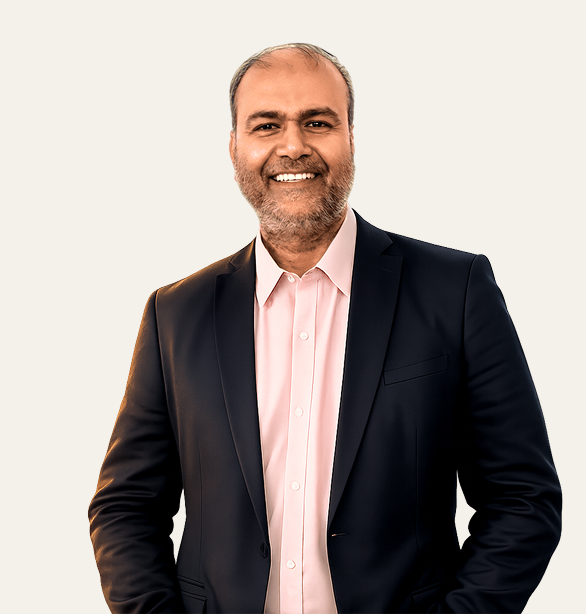
I am a UKCP-registered psychotherapist. I trained at the Tavistock and Portman NHS Foundation Trust, studied CBT at King’s College London, and have spent 20+ years working across the NHS, private and community settings.
My interest in neurodiversity is personal as well as professional: I am the father of an autistic son. I know how much it matters to feel understood rather than managed, and that is the room I try to offer.
Questions people ask before getting in touch
No. I am a psychotherapist, not a diagnostic service, so I do not carry out autism assessments or issue formal diagnoses. I work with you whether you are formally diagnosed, waiting for an assessment, or self-identifying. If a formal assessment would genuinely help, I will say so and point you towards a suitable NHS or private route.
Yes. You do not need a formal diagnosis, or the right label, to start. Many autistic adults come to therapy while they are still making sense of it, or years after a late diagnosis. What matters is what daily life is actually like for you, and that is where we begin.
It means I treat autism as a difference, not a disorder to be corrected. The goal is never to help you mask more convincingly or appear less autistic. Instead we reduce the cost of masking, build on your strengths, and shape a life that fits how your mind actually works.
Yes. A large number of autistic adults are also ADHD, and the two can pull in opposite directions, one craving routine and the other novelty. I work with both together rather than treating them as separate problems. There is more on the ADHD therapy and ADHD coaching pages.
Yes. Autistic burnout, the deep exhaustion that follows long periods of masking and sensory overload, is one of the most common reasons adults get in touch. We work on regulation, recovery and protecting your energy, and on the changes that make burnout less likely to return.
Yes. Many clients also have a GP, psychiatrist or NHS team involved in their care. With your consent I am happy to coordinate, so the therapy supports what you already have in place rather than duplicating it.
No. I work privately rather than through insurance panels. You pay directly for each session or block, which keeps the work confidential and free of diagnosis-led restrictions.
Therapy starts from £195 a session, and the first step is always a free 20-minute initial consultation. Neuroinclusive coaching is available from £350. Full details are on the therapy fees and coaching fees pages.
My practice is planned support, not an emergency service. If you are in crisis right now, call Samaritans free, 24/7, on 116 123, or call 999 in an emergency. Once you are safe and stable, I am here for medium- and longer-term therapeutic work.
In person at 96 Harley Street, in London’s medical district, a few minutes from Oxford Circus and Bond Street, or at 335 City Road in Angel, a short walk from Angel station. Or online, wherever you are in the UK, with the same clinician either way.
Harley Street: 96 Harley Street, London W1G 7HY
London City Road: 335 City Rd, London EC1V 1LJ (Angel)
Online: Secure video sessions UK-wide and globally

Book your initial consultation today and take the first step towards clarity, confidence and lasting change.
We treat your enquiry with clinical confidentiality under UKCP ethical standards. Details you provide are held securely and never shared with third parties. Read our Privacy Policy.