
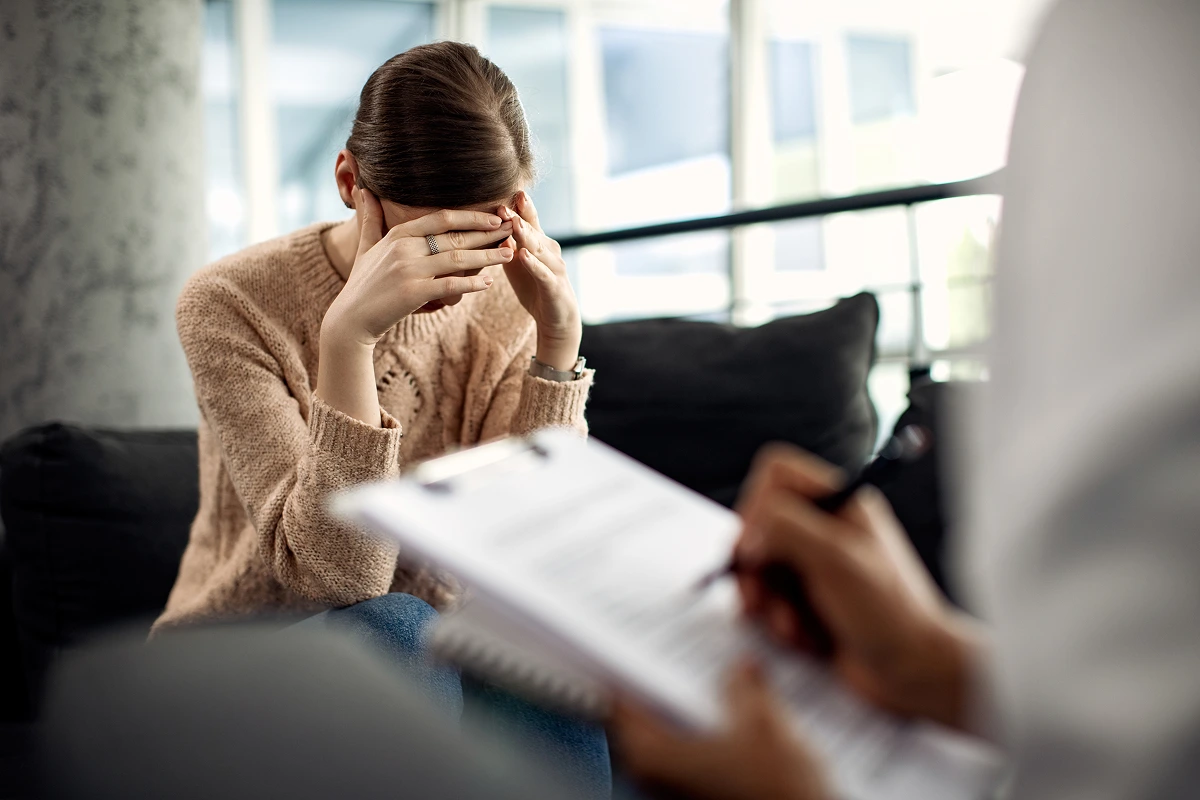
Expert Treatment for Anxiety Disorders
Anxiety is a normal psychological reaction to stress, typically triggered by perceiving threats in the environment. However, when anxiety becomes persistent or overwhelming and interferes with daily activities, it may indicate an anxiety disorder requiring professional anxiety therapy in London.
Anxiety disorders are characterized by excessive, difficult-to-control worry, significantly affecting one’s quality of life (NIMH, 2022). If you’re seeking anxiety treatment in London, understanding the condition, its symptoms, and evidence-based therapies is essential for recovery.
Common features of clinical anxiety disorders include:
- Disproportionate worry about everyday situations
- Avoidance of daily activities such as hobbies, work, or social interactions
- Physical symptoms, including increased heart rate, sleep disturbances, or chest discomfort (MedlinePlus, 2023)
This comprehensive guide offers an overview of anxiety, detailing its symptoms, causes, clinical subtypes, and practical strategies for effectively managing anxiety through therapy for anxiety in London and lifestyle modifications.
This article is for educational and informational purposes only. Please see full disclaimer below.
Why Do We Become Anxious?
There are a number of factors—biological, environmental, and psychological—which can contribute to anxiety disorders.
Biological Factors: Anxiety can result from imbalances in neurotransmitters, especially gamma-aminobutyric acid (GABA). Deficiency in GABA or excess excitatory neurotransmitters such as glutamate, dopamine, or norepinephrine may cause or worsen anxiety symptoms (Harvard Health Publishing, 2022).
Environmental and Social Factors: Negative living or working environments, damaging relationship dynamics, insufficient social support, and prolonged isolation can trigger or intensify anxiety. These factors are commonly addressed in anxiety counselling London sessions (ADAA, 2021).
Psychological Factors: Traumatic life events (e.g., divorce or death of a loved one), negative thinking patterns, or low self-esteem can also initiate or worsen anxiety (APA, 2021). Recognizing these factors helps mental health professionals in London customize effective anxiety treatment strategies.
Common Signs and Symptoms of Anxiety: A Guide to Anxiety Therapy London
Anxiety symptoms vary widely among individuals seeking anxiety therapy. Common indicators include:
Avoidance behaviors aimed at preventing anxiety-provoking situations
Sleep disturbances such as restlessness or insomnia
Physical symptoms which can include:
- Chest tightness or heart palpitations
- Sweating, trembling, difficulty breathing
- Gastrointestinal issues such as diarrhea, constipation, or nausea
Panic attacks characterized by intense anxiety episodes accompanied by physical discomfort; for example, chest pain or dizziness (MedlinePlus, 2023)
If you experience these symptoms persistently, consulting an anxiety therapist in London can provide professional guidance and support.
Clinical Subtypes of Anxiety Disorders
Anxiety is not a term for a single disorder; rather, it is an umbrella term which encompasses several clinical conditions commonly treated through anxiety therapy in London:
Social Anxiety Disorder (SAD): An intense fear of social judgment, causing severe anxiety in social, professional, or public-speaking contexts (Cleveland Clinic, 2022).
Generalized Anxiety Disorder (GAD): Persistent, excessive worry about everyday matters such as money, health, or work. The anxiety typically surpasses the actual threat level (NIMH, 2022). GAD is one of the most common conditions addressed in London anxiety treatment services.
Specific Phobias: Intense fears of specific situations or objects, such as enclosed spaces (claustrophobia), spiders (arachnophobia), or heights (acrophobia), often leading to avoidance behaviors that limit life experiences (ADAA, 2021).
Panic Disorder: Frequent, recurring panic attacks combined with persistent concerns about future episodes, leading to avoidance of potential triggers like social gatherings or workplaces (Cleveland Clinic, 2022).
Post-Traumatic Stress Disorder (PTSD): Although distinct in the DSM-5, PTSD shares anxiety-like symptoms, including flashbacks, hypervigilance, and nightmares, often overlapping with anxiety disorders (APA, 2021).
Evidence-Based Strategies to Manage Anxiety
Anxiety is a treatable, manageable condition. People with the right tools and support can manage their anxiety effectively through anxiety therapy London services. There are multiple strategies which have clinical evidence for reducing anxiety symptoms and improving life quality.
Professional Anxiety Treatment Options
Psychotherapy and Counseling: Anxiety counselling in London provides safe environments to explore stressors and develop coping mechanisms. Cognitive-behavioral therapy (CBT) effectively helps identify and regulate harmful thought patterns, making it a cornerstone of anxiety treatment (APA, 2021).
Desensitization Therapy: Controlled exposure to anxiety-triggering stimuli gradually decreases their power to induce fear. This evidence-based approach is commonly used by anxiety therapists in London.
Medication Management: Pharmacological treatments, including antidepressants or anxiolytics, under medical supervision, can restore neurochemical balance, reducing anxiety symptoms (Harvard Health Publishing, 2022). Your anxiety therapist can coordinate with prescribing professionals for comprehensive care.
Support Groups: Engaging with support groups can offer comfort, reduce isolation, and promote coping strategies (ADAA, 2021). Many anxiety therapy London practices facilitate or recommend group therapy options.
Important medication note: Some medicines prescribed for anxiety, such as benzodiazepines, may have side effects such as dizziness, drowsiness and/or impaired coordination (MedlinePlus, 2023). If you experience these side effects, do not drive, operate machinery or perform other functions demanding full attention until you understand the medication’s effects (ibid. 2023).
Always check with your doctor for potential side effects of prescribed medicines and any necessary lifestyle modifications.
Lifestyle Adjustments for Managing Anxiety
Making appropriate lifestyle adjustments alongside anxiety therapy in London can help establish an overall sense of wellbeing and prioritize self-care in your daily routine.
The following lifestyle changes can be beneficial:
Balanced Nutrition: A diet consisting of the three macronutrients (carbohydrates, proteins, and fats) is essential for both physical and mental health. Nuts and fish rich in omega-3 fatty acids support healthy brain function.
Mindfulness-Based Practices: Mindfulness encourages living in the present, reducing fear and overthinking. Practices such as yoga, meditation and grounding exercises help people stay in the here and now, reducing anxiety (Harvard Health Publishing, 2022). Breathing techniques, such as deep, slow breathing, can calm the body during anxiety episodes.
Regular Exercise: Engaging in regular physical activity (such as moderate cardio and weight/resistance training) promotes physical and psychological wellbeing. Exercise releases endorphins that elevate mood and reduce anxiety symptoms (Cleveland Clinic, 2022).
Limiting Alcohol and Caffeine: Alcohol and caffeine can aggravate anxiety symptoms (MedlinePlus, 2023). Limiting intake is recommended to reduce the occurrence of anxiety episodes.
Important: Alcohol can cause adverse effects when combined with prescribed anti-anxiety medications (e.g., antidepressants and/or anxiolytics). Drinking while taking anti-anxiety medication can lead to potentially life-threatening effects such as respiratory depression (profoundly slowed breathing), unconsciousness (including blackouts/comas) and memory loss.
It is generally advisable to avoid drinking alcohol when taking prescribed anti-anxiety drugs due to these potentially deadly interactions.
When to Seek Anxiety Therapy in London
You should consider seeking professional anxiety treatment in London if you experience:
- Persistent worry that interferes with daily functioning
- Physical symptoms like rapid heartbeat, chest pain, or breathing difficulties
- Avoidance of important activities due to anxiety
- Sleep disturbances or chronic fatigue related to anxiety
- Panic attacks or intense fear episodes
- Difficulty managing stress at work or in relationships
Early intervention through anxiety therapy can prevent symptoms from worsening and significantly improve quality of life.
Finding the Right Anxiety Therapist in London
When seeking anxiety therapy in London, consider:
- Therapists with specialized training in evidence-based approaches like CBT
- Mental health professionals experienced in treating anxiety disorders
- Practitioners offering personalized treatment plans tailored to your specific anxiety subtype
- Anxiety counselling services accessible throughout London with flexible appointment options
- Professionals providing a compassionate, supportive therapeutic environment
Conclusion
Anxiety is a complex, yet common and treatable, psychological condition. While feeling anxious is a normal human response, persistent or overwhelming anxiety can signal an underlying disorder affecting quality of life.
Through anxiety therapy in London, including evidence-based treatments like CBT, desensitization techniques, and medication management when appropriate, combined with lifestyle modifications, many individuals successfully manage their anxiety symptoms and improve their overall wellbeing (Harvard Health Publishing, 2022; NIMH, 2022).
This guide serves as a reminder that with the right support—through professional anxiety treatment in London and guidance from an experienced online life coach—along with personal commitment to recovery, managing anxiety and significantly improving quality of life is entirely achievable.
FAQ:
Q1: What distinguishes normal anxiety from an anxiety disorder?
A: Normal anxiety is a common response to stress or perceived threats, while an anxiety disorder involves constant or overpowering anxiety that disrupts daily activities and quality of life (MedlinePlus, 2023). If anxiety persists, seeking anxiety therapy in London is recommended.
Q2: What are some common physical signs of anxiety?
A: Physical signs can include an elevated heart rate, chest discomfort, restlessness, insomnia, sweating, trembling, and digestive issues such as nausea or diarrhea (Harvard Health Publishing, 2022). These symptoms are commonly addressed in anxiety treatment sessions.
Q3: How do environmental factors contribute to anxiety?
A: Environmental factors such as stressful living or working conditions, damaging relationship dynamics, and lack of social support can all trigger or exacerbate anxiety symptoms (ADAA, 2021). Anxiety counselling helps identify and address these environmental triggers.
Q4: What are some common therapeutic approaches for managing anxiety?
A: Evidence-based approaches for anxiety therapy include cognitive behavioral therapy (CBT), desensitization techniques, counseling, and, where necessary, pharmacological treatments like antidepressants or anxiolytics (APA, 2021). Many anxiety therapists in London specialize in these modalities.
Q5: Can lifestyle changes really help manage anxiety?
A: Yes. Adopting a balanced diet, regular exercise, mindfulness practices, proper breathing techniques, and limiting alcohol and caffeine intake can all contribute to reducing anxiety symptoms and promoting overall mental wellbeing (Cleveland Clinic, 2022). These strategies complement professional anxiety therapy in London.
References:
American Psychological Association [APA] (2021) Anxiety. American Psychological Association. Available at: Anxiety. (Accessed: 14/02/2025)
Anxiety and Depression Association of America [ADAA] (2021) Understanding Anxiety Disorders. Anxiety and Depression Association of America. Available at: Understanding Anxiety Disorders. (Accessed: 14/02/2025).
Cleveland Clinic (2022) Anxiety Disorders. Cleveland Clinic. Available at: Anxiety Disorders. (Accessed: 14/02/2025).
Harvard Health Publishing (2022) What causes anxiety? Harvard Health Publishing. Available at: What causes anxiety? (Accessed: 14/02/2025).
MedlinePlus (2023) Anxiety Disorders. MedlinePlus. Available at: Anxiety disorders. (Accessed: 14/02/2025).
National Institute of Mental Health [NIMH] (2022) Anxiety Disorders. National Institute of Mental Health. Available at: Anxiety disorders. (Accessed: 14/02/2025).
Disclaimer: The author, Sabbir Ahmed, is a registered psychotherapist (UKCP Reg: 2011164676). Sabbir has written this article for informational and educational purposes only, and referenced relevant sources when writing this article.
Reading this article, in and of itself, does not create a therapist–client relationship.
All content is provided on an “as is” basis; no guarantees are made as to its accuracy or completeness.
The information contained on Kind Soul Psych is for general information purposes only and does not purport to be, or constitute, medical and/or legal advice.